
When Life Feels Too Heavy: Suicide, Mental Health and Islam
 When Life Feels Too Heavy: Suicide, Mental Health and Islam
A compassionate conversation about suicidal thoughts, Islamic teachings, mental-health care and how we can support someone who is struggling.
There are moments when emotional pain becomes so overwhelming that a person stops thinking about how to make life better and begins thinking about how to make the pain stop.
Sometimes the thought sounds like:
“I wish I could disappear.”
“I don’t want to wake up tomorrow.”
“Everyone would be better without me.”
“I just want everything to end.”
And sometimes it becomes more direct:
“I want to die.”
For a Muslim, experiencing thoughts like these can carry another layer of distress.
There may be fear.
There may be shame.
There may be guilt.
There may be a frightening question:
“What kind of Muslim am I if I am thinking this way?”
Perhaps you are afraid that telling someone will make them judge your faith.
Perhaps someone has already told you that you simply need to pray more.
Perhaps you have been told that suicide is haram and therefore you should simply stop thinking about it.
But a person in severe emotional distress does not need to be silenced.
They need to be heard.
They need to be kept safe.
They need compassionate support.
And they may need professional mental-health care.
This is why we need to have an honest conversation about suicide—one that takes Islamic teachings seriously while also recognising the reality of psychological suffering.
First: What Does Islam Say About Suicide?
Islam places profound value on human life.
The Qur’an says:
“And do not kill yourselves [or one another]. Indeed, Allah is to you ever Merciful.”
(Qur’an 4:29)
The prohibition against taking one’s own life is also established in authentic Prophetic teachings. For example, a hadith recorded in Ṣaḥīḥ al-Bukhārī and Ṣaḥīḥ Muslim strongly warns against suicide.
There is therefore no need to soften the Islamic position: suicide is prohibited in Islam.
But there is an equally important distinction that must not be lost:
The prohibition of suicide does not mean that a person who experiences suicidal thoughts should be treated with cruelty.
Having a thought is not the same as acting upon it.
Experiencing psychological distress is not the same as deliberately choosing disbelief.
And when someone is suffering from severe mental illness or psychological crisis, we should be extremely careful about making definitive statements about that individual’s standing before Allah or their ultimate fate.
That is not our responsibility.
Our responsibility is to protect life, offer mercy, encourage appropriate treatment and help the person return to safety.
“But I’m a Muslim. Why Am I Feeling This Way?”
This is one of the most painful questions someone can ask themselves.
A person may think:
“I pray.”
“I make duʿā.”
“I read Qur’an.”
“I know that Allah has forbidden suicide.”
“So why do I still feel like I don’t want to be here?”
The answer is not necessarily that you have no faith.
Human beings can experience profound psychological suffering.
Depression, trauma, severe anxiety, grief, abuse, relationship breakdown, chronic illness, financial stress, loneliness and other overwhelming circumstances can contribute to suicidal thinking. WHO notes that suicide is associated with a range of factors, including mental-health conditions, loss, loneliness, relationship difficulties, financial problems, chronic pain, violence and abuse. It also notes that some suicidal acts occur impulsively during moments of crisis.
Sometimes there is no single event that explains why someone has reached this point.
The suffering may have accumulated gradually.
One disappointment.
Then another.
Then another.
Until eventually the person feels that they have nothing left to give.
That does not mean they are a bad Muslim.
It means they are suffering.
Having Suicidal Thoughts Does Not Automatically Mean You Want to Die
This distinction is important.
Sometimes what a person desperately wants is not death itself.
They want the pain to stop.
They want the memories to stop.
They want the anxiety to stop.
They want the humiliation to stop.
They want the loneliness to stop.
They want the abuse to stop.
They want the financial pressure to stop.
They want the grief to stop.
They want to stop waking up every morning feeling exhausted by their own existence.
The mind can begin to confuse “I cannot continue living like this” with “I cannot continue living.”
This is one reason professional support matters.
Therapy can help someone separate the pain from the person, identify what is driving the crisis and begin finding safer ways forward.
Can a Person Have Faith and Still Need Therapy?
Absolutely.
You can make duʿā and seek therapy.
You can pray and seek medical care.
You can have tawakkul and still ask someone to help you carry the weight.
Seeking treatment does not mean that you have abandoned reliance upon Allah.
When we become physically ill, we don’t usually consider visiting a doctor to be evidence that we lack tawakkul.
We take the means available to us while trusting Allah with the outcome.
Mental health deserves the same seriousness.
WHO states that effective treatments exist for depression, including psychological treatments and, depending on the individual’s condition, medication.
So if your mind is struggling, seeking professional help is not a rejection of your faith.
It can be part of taking care of the life Allah has entrusted to you.
What If I’m Praying but Still Feel Suicidal?
Please don’t interpret your struggle as proof that Allah has abandoned you.
And please don’t allow anyone to convince you that because you are still struggling, your worship is worthless.
Sometimes worship feels easy.
Sometimes it feels difficult.
And sometimes a person in profound psychological distress may struggle even with acts they normally perform consistently.
That is precisely when compassion becomes important.
Continue turning towards Allah as much as you are able.
Make duʿā.
Pray.
Recite Qur’an.
Seek forgiveness.
But also tell someone what is happening inside your mind.
Your spiritual practices and professional treatment do not have to compete with one another.
They can exist together.
What Does Suicidal Thinking Look Like?
Not everyone who is suicidal will say:
“I want to kill myself.”
Sometimes the signs are much less direct.
Someone may repeatedly talk about:
- wanting to disappear;
- having no reason to live;
- feeling trapped;
- feeling like a burden;
- feeling unbearable emotional pain;
- believing that nothing will ever improve;
- wanting to “sleep and never wake up.”
There may also be changes in behaviour, such as withdrawing from family and friends, saying goodbye, giving away important belongings, making preparations for death, taking dangerous risks, experiencing extreme mood changes or searching for ways to die.
These are recognised warning signs that warrant taking the situation seriously.
You do not need to wait until someone explicitly announces an intention to die before you become concerned.
What If Someone Tells You They Are Suicidal?
First:
Do not panic in front of them.
Your fear may be understandable, but reacting with shock or anger can make them regret telling you.
And please don’t immediately say:
“Astaghfirullah!”
“How can you even think that?”
“Don’t you know suicide is haram?”
“Think about your children.”
“What will people say?”
“You need to pray more.”
“Other people have bigger problems.”
Even when these statements come from genuine concern, they can increase shame and make the person less likely to disclose suicidal thoughts again.
Instead, try:
“I’m really glad you told me.”
“I’m not angry with you.”
“I’m not going to judge you.”
“You don’t have to handle this alone.”
“Let’s get you some help.”
Your first responsibility is not to win an argument.
It is to help keep the person safe.
Is It Okay to Ask Someone Directly If They Are Suicidal?
Yes.
Asking directly about suicide does not cause someone to become suicidal.
WHO specifically notes that it is okay to talk about suicide and that asking about suicide does not provoke the act; it can instead reduce anxiety and help someone feel understood.
You can ask:
“Are you thinking about killing yourself?”
Or:
“When you say you want to disappear, do you mean that you are thinking about ending your life?”
Ask calmly.
Listen carefully.
Do not debate.
Do not shame.
And if the person indicates that they may act on their thoughts, take the situation seriously and seek urgent professional help.
What Should You Do If You Are Having Suicidal Thoughts?
If this is you, please pause here.
You do not need to solve your entire life tonight.
You do not need to figure out your future tonight.
You do not need to answer every difficult question tonight.
Your immediate goal is simply:
Stay safe.
Tell someone you trust what is happening.
Don’t isolate yourself if you feel you may act on the thoughts.
Stay around someone safe.
Put distance between yourself and anything you could use to hurt yourself.
Contact a qualified mental-health professional or healthcare provider.
And if you believe you may act on your thoughts or cannot keep yourself safe, seek urgent emergency assistance immediately.
In Nigeria, 112 is the national emergency number, connecting callers to emergency response services.
If you are outside Nigeria, contact your local emergency service or go to the nearest emergency department.
You do not have to wait until you have attempted suicide before your situation is considered serious enough to deserve help.
What About Someone Who Says, “I Don’t Want to Die, I Just Want to Stop Feeling This Way”?
Take them seriously too.
You don’t have to decide whether their words are “serious enough.”
Emotional pain can fluctuate rapidly.
A person may feel relatively safe at one moment and become overwhelmed later.
WHO notes that some suicidal acts can happen impulsively during moments of crisis.
So instead of saying:
“You don’t really mean it.”
Try:
“I’m glad you told me. Let’s make sure you don’t have to face this alone.”
Depression and Suicide
Depression and suicide are closely connected, but they are not the same thing.
Not everyone with depression becomes suicidal.
And not everyone who experiences suicidal thoughts has depression.
However, depression can involve hopelessness, loss of interest or pleasure, low energy, guilt, changes in sleep and appetite, difficulty concentrating and thoughts about death or suicide. Effective treatments are available.
This is why persistent emotional suffering deserves assessment.
You do not have to diagnose yourself.
You don’t have to search the internet for ten hours trying to determine whether you have depression.
Speak with a qualified professional.
What About the Fear of Being Judged by Other Muslims?
This is a very real barrier.
A Muslim woman may be afraid that if she tells her family:
“I don’t want to be alive anymore,”
they will hear:
“I don’t have faith.”
But those are not necessarily the same thing.
A person can be deeply religious and profoundly distressed at the same time.
Mental illness does not make someone spiritually worthless.
And a person experiencing psychological suffering should not be made to feel that they must hide it in order to appear “righteous.”
If someone is drowning, we don’t ask them to prove that they have enough faith before throwing them a lifeline.
We help them out of the water.
Then we help them recover.
Don’t Use Islam as a Weapon Against Someone in Crisis
Islam should give us a language of responsibility and mercy.
Yes, suicide is prohibited.
But telling a suicidal person only about punishment may not address the crisis that brought them to that point.
Someone who is already drowning in shame may become even more frightened to disclose what is happening if they believe that everyone will condemn them.
The Qur’an itself reminds us:
“Indeed, Allah is to you ever Merciful.”
(Qur’an 4:29)
The person who is struggling needs to know both truths:
Their life matters.
And they deserve help protecting it.
What Families Need to Understand
If someone you love is struggling with suicidal thoughts, you may be frightened.
You may even feel angry.
You may think:
“How could she think of leaving us?”
Try to remember that suicidal thinking often occurs in the context of overwhelming psychological pain.
Your role is not to make the person feel guilty for being in pain.
Your role is to help them access safety and care.
You can:
- listen without immediately correcting;
- take their words seriously;
- stay with them when necessary;
- encourage professional help;
- help them access an appointment;
- reduce access to things they could use to harm themselves when appropriate;
- involve trusted family or support people where safety requires it;
- seek urgent help if the risk appears immediate.
And remember:
You are a relative, not their therapist.
Supporting someone does not mean carrying responsibility for curing them.
You also need support and boundaries.
What Role Can an Imam or Islamic Scholar Play?
For Muslim women, religious support can be deeply meaningful.
A trusted imam, female scholar or knowledgeable religious mentor may help someone work through questions about:
- guilt;
- repentance;
- worship during difficult periods;
- hope in Allah;
- spiritual practices;
- religious misconceptions;
- family and community concerns.
But religious support should not automatically replace mental-health treatment.
Sometimes the most appropriate response is:
“Let’s involve both.”
A person may benefit from a mental-health professional and a trusted Islamic scholar.
These forms of support can complement one another.
What If Someone Has Already Attempted Suicide?
This is an emergency.
Do not respond by interrogating them about why they did it or immediately focusing on the religious ruling.
First, ensure they receive appropriate medical attention.
A suicide attempt can involve serious medical consequences even when the person later says they feel fine.
Seek emergency medical care and do not leave the person alone while waiting for appropriate help.
After immediate safety is addressed, comprehensive mental-health assessment and ongoing support are important.
You Are Not Beyond Help
One of the most dangerous things depression and severe emotional distress can tell someone is:
“Nothing will ever change.”
But a feeling is not a prophecy.
What you feel today does not necessarily describe what your life will feel like six months from now.
People recover.
People receive treatment.
People leave abusive situations.
People rebuild after divorce.
People survive grief.
People heal from trauma.
People find reasons to live again.
And sometimes recovery begins with something very small:
telling one person the truth.
Not the polished version.
Not:
“I’m just tired.”
But:
“I’m actually not okay.”
If You Are Reading This and You Are Struggling Right Now
Please hear this carefully.
You do not need to prove that your suffering is severe enough.
You do not need to wait until you have completely broken down.
You do not need to be ashamed that you need help.
And you do not need to choose between your faith and professional care.
You can turn to Allah and seek treatment.
You can make duʿā and tell someone what is happening.
You can have tawakkul and still ask for help carrying the weight.
Your current pain is not the entirety of your story.
And you don’t have to face it alone.
At RouCare, You Don’t Have to Hide Your Struggle
At RouCare Mental Health Haven, we understand that Muslim women may want mental-health support that respects both their psychological wellbeing and their faith.
Therapy is not a place where you have to perform strength.
You don’t have to arrive with everything figured out.
You can come and say:
“I don’t know what is happening to me.”
“I’m tired.”
“I’m struggling with thoughts I don’t understand.”
“I don’t want to feel like this anymore.”
And together with a qualified professional, you can begin to understand what is happening and identify appropriate ways forward.
If you are struggling, please don’t wait until the pain becomes unbearable.
Book a therapy session with RouCare Mental Health Haven.
Seeking help does not make you a weak Muslim.
Sometimes, seeking help is one of the ways you take seriously the life Allah has entrusted to you.
Your life matters.
Your pain matters.
And you deserve help.
Important Safety Notice
This article is for education and does not replace individual psychological, psychiatric or medical assessment.
If you or someone you know is in immediate danger of suicide or self-harm, do not rely on this article or an online therapy booking form for immediate assistance. Stay with the person, move away from immediate means of harm where possible, and seek emergency medical help.
In Nigeria, call 112 for emergency assistance.
If you are outside Nigeria, contact your local emergency service or go to the nearest emergency department.
If you are concerned about someone, take expressions of suicidal thoughts seriously and seek appropriate professional support.
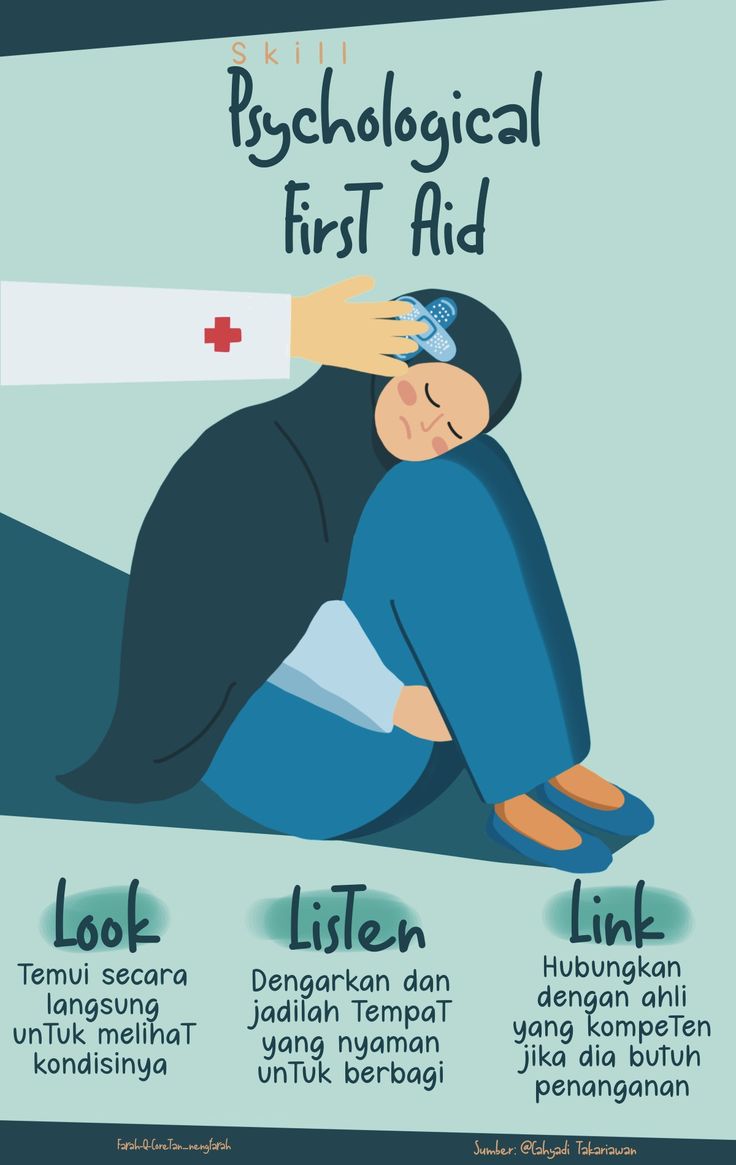

Jazakumullahu khairan
Aameen wa iyyakum
Hmmmmm Alhamdullilah robbil alameen jazakumullahu khayran for this motivation 🌹 infact I don’t even know what to say because alot of things is happening in my life but Alhamdullilah shaaa
Aameen wa anti FajaakilLlau Khayran. May ALLAAH grant you ease in your affairs 🤲🏻
I cried everyday..
I read to the end breath but am still pained.
Atimes,I feel like disappearing with the believe that my child will live without me 😭.
I have attempted suicide before and instead of people around me seeing my pain they turn it to war and make it a reason to break my marriage.
No break,no clue
From pain to pain to another to another.
I am living but not alive.
I wish I can afford treatment.
I’m so sorry you’re going through all this. Could you please reach out directly so we could find a way to assist? May ALLAAH grant you ease in your affairs.