Depression: Understanding the Pain You Cannot Always See
 Depression: Understanding the Pain You Cannot Always See
Depression is more than being sad. And sometimes, the person struggling with it may be the last person to realise just how much they are struggling.
You may have noticed that someone you love isn’t quite themselves lately.
Perhaps they have stopped answering calls.
They no longer seem interested in the things they used to enjoy.
They sleep all day, or barely sleep at all.
They seem constantly tired.
They get irritated easily.
They have become unusually quiet.
They cancel plans repeatedly.
They struggle to concentrate.
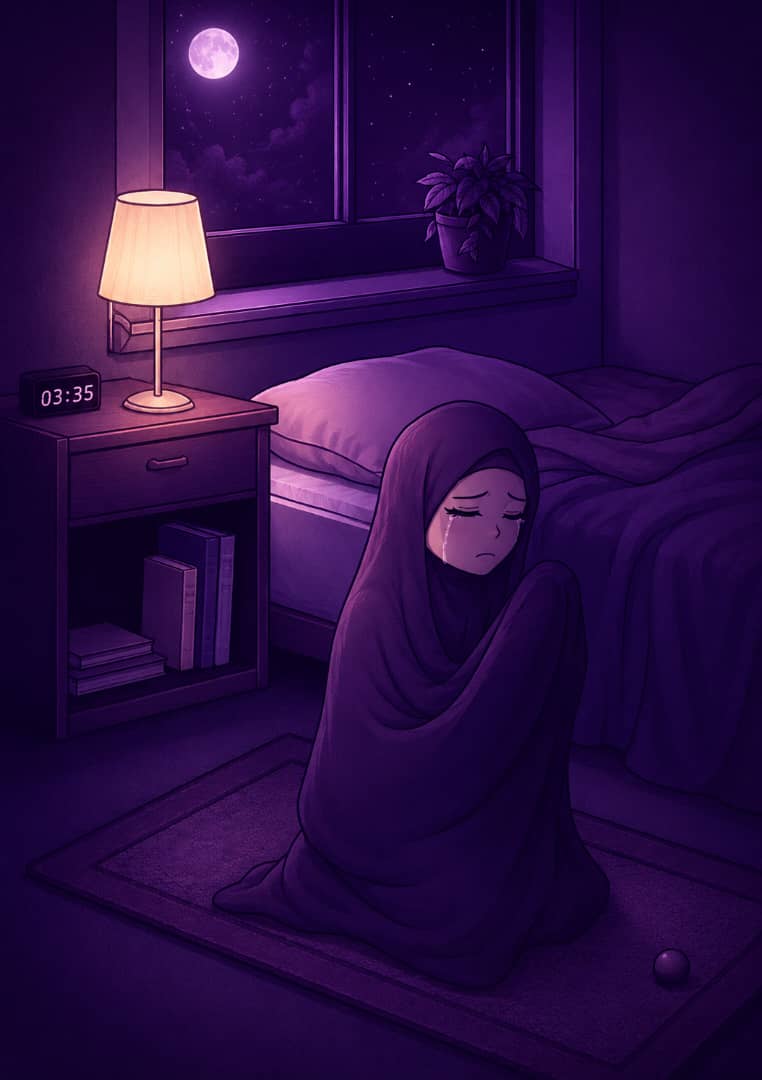
They cry more often.
Or perhaps they keep saying, “I’m fine,” while something about them tells you that they aren’t.
Maybe that person is you. Maybe you’re the one who hasn’t been feeling good from within and you can’t really place what is wrong.
Depression can be difficult to explain because it doesn’t always look the way we expect it to. Someone can smile, go to work, attend classes, take care of their children and interact normally with others while privately struggling with profound emotional pain.
Understanding depression is therefore important—not only for those experiencing it, but also for the people who love and support them.
What Exactly Is Depression?

Depression, medically referred to as a depressive disorder, is a common mental health condition characterised by persistent low mood or a loss of interest or pleasure in activities.
It is different from the ordinary sadness, disappointment or mood changes that everyone experiences from time to time.
A depressive episode generally involves symptoms that persist for most of the day, nearly every day, for at least two weeks, and the symptoms can significantly affect a person’s relationships, work, studies, family life and everyday functioning.
Depression can happen to anyone.
It can occur following bereavement, relationship difficulties, trauma, abuse, major life changes, financial difficulties, chronic illness or other stressful experiences. It can also develop through a complex interaction of biological, psychological and social factors, sometimes without one obvious cause.
And no, depression is not simply a matter of having a negative attitude or not being grateful enough.
What Are the Symptoms of Depression?
Depression can affect much more than mood.
Some common symptoms include:
Emotional symptoms
- Persistent sadness or emptiness
- Feeling hopeless about the future
- Frequent crying
- Irritability or unusual anger
- Excessive guilt
- Feelings of worthlessness
- Feeling emotionally numb
- Losing interest or pleasure in things that once mattered
Physical symptoms
- Constant tiredness or low energy
- Sleeping much more or much less than usual
- Changes in appetite
- Unintentional weight changes
- Feeling physically slowed down or unusually restless
- Unexplained aches and physical discomfort
Cognitive symptoms
- Difficulty concentrating
- Forgetfulness
- Indecisiveness
- Persistent negative thoughts
- Difficulty seeing possibilities beyond the current situation
Behavioural and social changes
- Withdrawing from friends and family
- Neglecting responsibilities
- Losing motivation
- Stopping activities that were previously enjoyable
- Struggling at work or school
- Avoiding people
Some people experiencing depression may also have thoughts about death, suicide or self-harm.
These thoughts should always be taken seriously.
If you or someone you know is in immediate danger of harming themselves, seek urgent professional or emergency medical support rather than leaving the person to manage the situation alone.
Are There Different Types of Depression?
Yes. Depression does not look exactly the same in everyone.
Some recognised depressive conditions and patterns include:
1. Major Depressive Disorder
This involves significant depressive symptoms that interfere with everyday life. Episodes typically last at least two weeks, although they can last considerably longer.
2. Persistent Depressive Disorder
Sometimes depression is less intense but lasts for a very long time. Persistent depressive disorder involves a chronic pattern of depressive symptoms that can continue for years.
Because the symptoms may become so familiar, someone experiencing this form of depression may begin to believe, “This is simply who I am.”
It isn’t necessarily.
3. Seasonal Affective Disorder
For some people, depressive symptoms follow a seasonal pattern, occurring at particular times of the year.
4. Perinatal and Postpartum Depression
Depression can occur during pregnancy or after childbirth.
This deserves particular attention because new mothers may be expected to feel nothing but happiness after having a baby, while the reality can be much more complicated.
Postpartum depression is not a sign that a mother doesn’t love her baby.
She may love her child deeply and still need professional support.
5. Depression With Psychotic Symptoms
In some severe depressive episodes, a person may experience psychotic symptoms such as delusions or hallucinations. This requires professional assessment and treatment.
What About Bipolar Depression?
It is important not to confuse bipolar disorder with a type of unipolar depression.
People with bipolar disorder can experience depressive episodes, but they can also experience periods of mania or hypomania. This distinction matters because treatment for bipolar disorder differs from treatment for depression alone.
This is one reason why self-diagnosis can be risky.
A professional assessment can help determine what is actually happening.
So, What Causes Depression?
There is rarely one simple answer.
Depression can emerge from a combination of biological, psychological and social factors.
For one person, it may begin after losing someone they love.
For another, it may follow years of emotional abuse.
Someone else may be dealing with chronic illness, financial pressure, relationship difficulties, isolation or unemployment.
Another person may seemingly have everything going well and still develop depression.
This is why asking someone experiencing depression,
“But what do you have to be depressed about?”
is rarely helpful.
Sometimes, even the person experiencing it cannot give you a satisfying answer.
Depression is not always a reaction to one identifiable event.
What Helps Depression?
The good news is that depression is treatable.
Treatment depends on the person’s symptoms, severity, circumstances and individual needs.
Psychological treatments can help people understand and change unhelpful patterns of thinking, behaviour and relationships.
Approaches that may be used include cognitive behavioural therapy (CBT), behavioural activation, interpersonal psychotherapy and problem-solving therapy.
For some people, medication may also be appropriate, particularly depending on the severity and nature of the depression. Medication decisions should be made with a qualified healthcare professional rather than through self-medication or advice from friends and social media.
For some people, a combination of psychological treatment and medication may be recommended.
And treatment does not mean that someone is weak.
It means they are receiving care for something that is affecting their wellbeing.
 What Can You Do When You’re Depressed?
Professional treatment is important, but there are also everyday steps that can support recovery.
You can start small.
Keep some structure in your day.
Depression can make everything feel pointless. Having a simple routine can help create some stability.
Stay connected.
You don’t have to tell everyone everything. But try not to completely disappear from the people who care about you.
Move your body.
You don’t need to begin with an intense workout. A short walk or gentle physical activity can be a starting point.
Eat and sleep as regularly as possible.
Depression can disrupt both. Maintaining regular eating and sleeping patterns can support overall wellbeing.
Do small things you once enjoyed.
You may not feel like doing them initially.
That’s okay.
Sometimes action has to come before motivation.
Talk to someone.
You don’t have to carry everything silently.
And if these symptoms are persistent or significantly affecting your life, consider speaking with a qualified mental health professional.
If Someone You Love Has Depression: What Can You Actually Do?
This is where many relatives struggle.
You love them.
You want them to feel better.
So you start giving advice.
“Just pray.”
“Think positively.”
“Other people have it worse.”
“You need to get yourself together.”
“Stop thinking about it.”
You may mean well.
But depression isn’t always something a person can simply think themselves out of.
Instead, try saying:
“I’m here with you.”
“You don’t have to explain everything right now.”
“How can I support you today?”
“Would you like me to listen or help you think through what to do?”
“Have you considered speaking with a professional?”
Sometimes, the most helpful thing you can offer isn’t a solution.
It is presence.
Don’t Take Their Withdrawal Personally
This can be particularly difficult for family members.
Someone with depression may stop replying to messages.
They may decline invitations.
They may seem uninterested in conversations.
They may become irritable.
They may not have the energy to explain themselves.
It can hurt.
But before concluding that they no longer care about you, consider that they may be struggling to care for themselves emotionally.
This doesn’t mean you should tolerate abuse or completely ignore your own boundaries.
It simply means that understanding the condition can help you respond with greater compassion.
And Please Don’t Become Their Therapist
Supporting someone with depression does not mean becoming responsible for curing them.
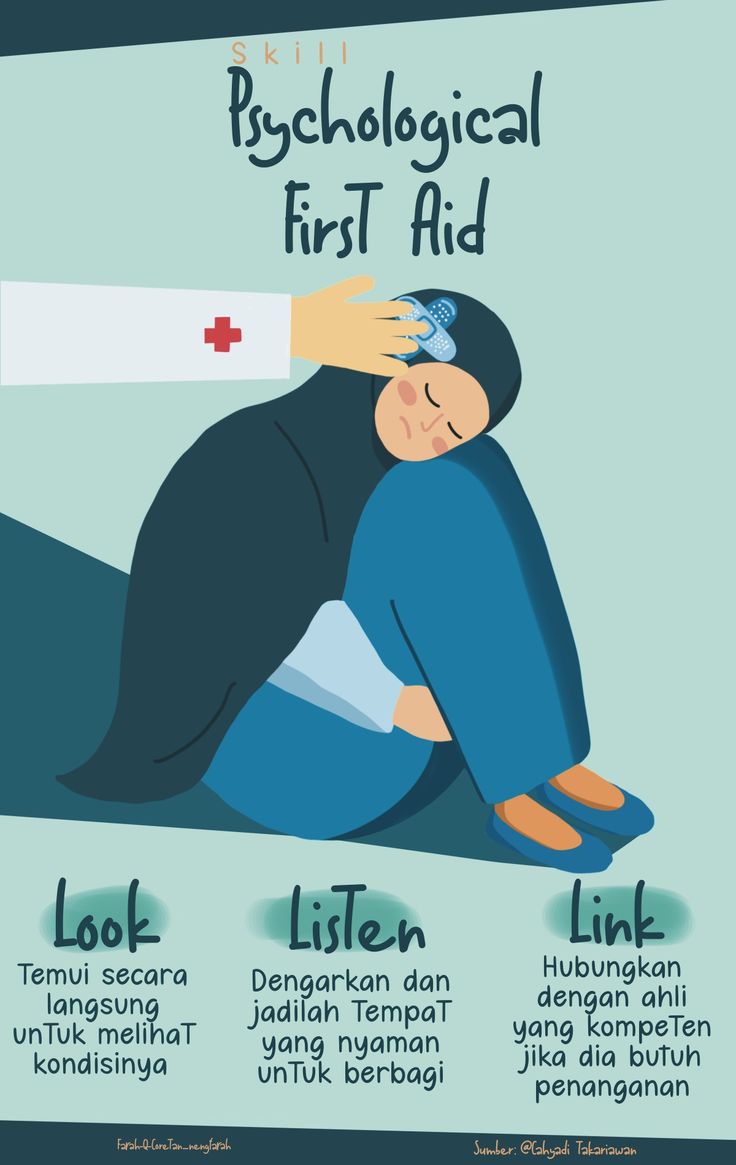
You can listen.
You can encourage them to seek help.
You can accompany them to an appointment.
You can check in.
You can help with practical things when appropriate.
But you also need boundaries.
You cannot carry another person’s entire mental health journey on your shoulders.
And if they express suicidal thoughts or appear to be in immediate danger, don’t assume that keeping the matter secret is an act of loyalty.
Safety comes first.
Seek appropriate professional or emergency support.
 What About Faith?
For many Muslims, faith is an important part of life and healing.
Turning to Allah through Ṣalāh, duʿā, Qur’an, dhikr and other acts of worship can provide comfort, hope and spiritual support.
But struggling with depression does not automatically mean that someone’s faith is weak.
A person can love Allah and still experience depression.
They can pray and still need therapy.
They can make duʿā and still need medical care.
They can have tawakkul and still seek professional help.
Seeking treatment does not contradict trusting Allah.
Sometimes, the means through which Allah brings relief include the people and professional support we are guided to seek.
When Should You Consider Therapy?
You don’t have to wait until you completely fall apart.
Consider speaking with a mental health professional if:
- you’ve been feeling persistently low;
- you’ve lost interest in things you once enjoyed;
- your sleep or appetite has changed significantly;
- you’re struggling to function at work, school or home;
- you’re withdrawing from people;
- painful thoughts keep repeating;
- you’re overwhelmed by grief, trauma or relationship difficulties;
- you feel hopeless about your future;
- or you simply know that something isn’t right.
You don’t need to arrive at therapy with a perfectly organised explanation.
You can simply say:
“I don’t know exactly what’s wrong. I just know that I’m not okay.”
That’s enough of a starting point.
You Don’t Have to Wait Until You’re Completely Broken
One of the biggest misconceptions about therapy is that you have to be severely unwell before you’re allowed to seek it.
You don’t.
You can seek therapy because you want to understand yourself better.
You can seek it because you’re struggling with grief.
Because you’re overwhelmed.
Because something from your past keeps affecting your present.
Because your relationships are suffering.
Because you are tired of carrying something alone.
Or simply because you want to learn healthier ways to cope.
Therapy isn’t only about fixing what is broken.
Sometimes, it is about understanding what hurts, strengthening what is already working and learning how to move through life with greater emotional awareness.
 If This Sounds Like You, You Don’t Have to Figure It Out Alone
Perhaps you’ve recognised yourself somewhere in this article.
Perhaps you’ve recognised someone you love.
Maybe you’ve been saying, “I’ll be fine,” for months.
Maybe you’ve been functioning on the outside while struggling on the inside.
Maybe you’ve been praying for relief but haven’t known what practical step to take next.
You don’t have to have everything figured out before reaching out.
At RouCare Mental Health Haven, we provide a safe, compassionate and faith-sensitive space where Muslim women can speak openly about what they’re experiencing and receive professional support without being reduced to a diagnosis.
You don’t have to tell your entire story perfectly.
You can start with:
“I need help.”
And we’ll take it from there.
Ready to take the first step?
Book a therapy session with RouCare Mental Health Haven today.
Your pain deserves to be heard.
Your wellbeing deserves attention.
And seeking help is not a failure of faith.
Sometimes, healing begins with simply admitting that you don’t want to carry it alone anymore.
A Note from RouCare
This article is intended for mental health education and does not replace a professional assessment, diagnosis or treatment plan. Depression can present differently from person to person, and symptoms can overlap with other mental or physical health conditions. If you are concerned about yourself or someone you love, please speak with an appropriately qualified healthcare professional.
If you or someone you know is experiencing thoughts of suicide or self-harm, please seek urgent professional or emergency support rather than relying solely on online information or self-help.