
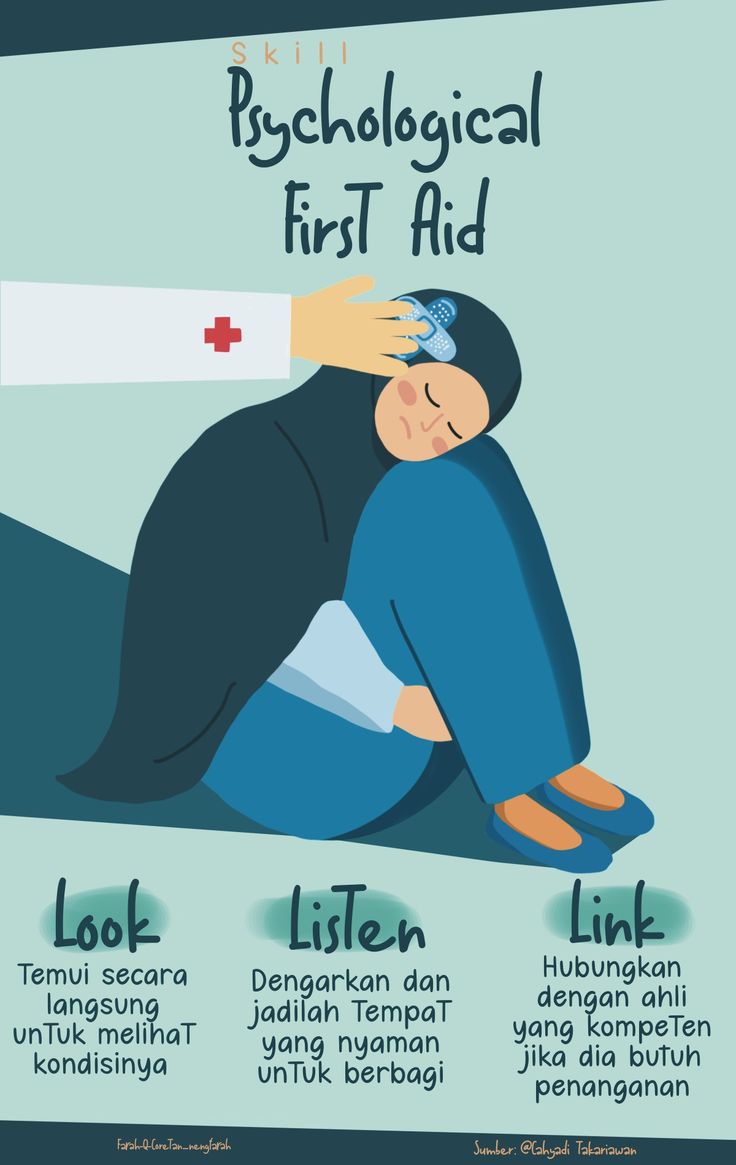
Emotional First Aid: What to Do Before Professional Help Arrives
Emotional First Aid: What to Do Before Professional Help Arrives
A Complete Evidence-Based Guide to Helping Yourself or Someone Through an Emotional Crisis
By RouCare Mental Health Haven
Imagine you’re walking home after a long day when you notice a small crowd gathered around someone who has collapsed on the roadside. Without thinking, people begin to act. One person checks whether the individual is breathing. Another calls emergency services. Someone else loosens tight clothing while another offers water or searches for a first aid kit. Even those who have never received formal medical training instinctively understand one thing: something must be done before professional help arrives.
Now imagine a different scene.
A young woman sits on the floor of her bedroom, trembling uncontrollably. Her breathing is rapid, her chest feels tight, and tears stream down her face as she repeatedly whispers, “I can’t do this anymore.” A friend sits beside her but has no idea what to say. Should she encourage her to pray? Should she tell her to calm down? Should she leave her alone to “get herself together”? Should she pretend nothing is wrong?
Unlike physical emergencies, emotional emergencies rarely come with clear instructions.
Most people have heard of CPR. Many know how to clean and bandage a wound. Yet very few have ever been taught what to do when someone experiences a panic attack, an emotional breakdown, overwhelming anxiety, acute grief, or intense psychological distress. As a result, many crises become worse—not because people do not care, but because they simply do not know how to respond.
This knowledge gap matters.
According to the World Health Organization, mental health conditions affect hundreds of millions of people worldwide, while many more experience temporary emotional crises brought on by bereavement, trauma, financial hardship, relationship difficulties, chronic stress, illness, or major life transitions. These moments do not always happen inside a therapist’s office. They happen in homes, classrooms, workplaces, mosques, university hostels, markets, and even inside parked cars where someone is desperately trying to hide their tears before going back inside.
Often, professional help is hours, days, or even weeks away.
That is where emotional first aid becomes invaluable.
Emotional first aid is the immediate support offered to reduce psychological distress, restore a sense of safety, and help someone regain enough emotional stability until professional care becomes available. It is not psychotherapy. It does not replace counselling, psychiatric care, or medical intervention. Rather, it is the psychological equivalent of applying pressure to a bleeding wound before reaching the hospital. Its purpose is simple: prevent further harm, provide immediate support, and create the conditions necessary for recovery.
At RouCare Mental Health Haven, we believe every Muslim woman and indeed every family should know these skills. Not because we expect everyone to become therapists, but because emotional crises rarely announce themselves in advance. One day, the person who needs help may be your spouse, your sibling, your daughter, your closest friend, or even you.
Learning emotional first aid means that when that moment comes, you will not respond with fear or helplessness. You will know how to offer calm instead of confusion, compassion instead of judgment, and practical support instead of well-intentioned words that unintentionally deepen the pain.
It is important to understand what emotional first aid is—and what it is not.
Emotional first aid is not about “fixing” people. It is not about offering quick solutions to complex problems. It is certainly not about diagnosing mental illnesses after watching a few videos online. Instead, it is about helping the nervous system settle enough for the thinking part of the brain to begin working again. It is about creating emotional safety during moments when the mind feels overwhelmed by fear, sadness, confusion, or despair.
This distinction is particularly important within Muslim communities.
For generations, conversations about emotional suffering have often been reduced to one of two extremes. Some people dismiss emotional pain entirely, suggesting that stronger faith alone should remove anxiety, depression, or grief. Others approach emotional health as though spirituality has no role to play. Neither extreme reflects the balance taught by Islam.
When the Prophet ﷺ advised a man to tie his camel before placing his trust in Allah, he established a timeless principle: reliance upon Allah never eliminates the responsibility to take practical means. We seek treatment for physical illness while making du’a for healing. We lock our homes while trusting Allah for protection. Likewise, we can recite the Qur’an for comfort while also learning healthy emotional regulation skills and seeking professional support when necessary.
These approaches do not compete with one another. They complement each other beautifully.
The Qur’an itself never denies the reality of emotional pain. It speaks openly of grief, fear, loneliness, heartbreak, and despair. Prophet Ya’qub wept until he lost his eyesight from grief. Prophet Musa experienced fear. Maryam cried out in overwhelming distress during childbirth. Even our beloved Prophet ﷺ experienced profound sadness during the Year of Sorrow after losing both his wife, Khadijah bint Khuwaylid, and his uncle, Abu Talib.
None of these experiences diminished their faith. They reflected their humanity.
Understanding this frees us from the harmful belief that emotional suffering automatically indicates spiritual weakness. A believer may have a heart full of tawakkul while simultaneously experiencing overwhelming anxiety after trauma. A woman may sincerely love Allah while struggling to regulate her emotions after years of chronic stress. The presence of emotional pain is not evidence of absent faith.
Before learning how to respond to an emotional crisis, we must first understand what such a crisis actually is.
An emotional crisis occurs when a person’s usual coping abilities become overwhelmed by psychological distress. The challenges before them exceed the emotional resources they currently possess, causing the brain and body to shift into survival mode.
This survival response is remarkably intelligent. Deep within the brain sits a small structure called the amygdala, whose primary responsibility is detecting danger. When it perceives a threat, it immediately activates the body’s stress response. Adrenaline is released into the bloodstream. The heart beats faster to pump more oxygen to the muscles. Breathing becomes quicker. Muscles tense. Attention narrows. Digestion slows. Every available resource is redirected toward survival.
This response evolved to protect human beings from physical threats such as predators or accidents. However, the brain does not always distinguish between physical danger and emotional danger. The loss of a loved one, overwhelming financial stress, traumatic memories, or the fear of abandonment can activate the very same physiological response.
This is why someone experiencing a panic attack genuinely believes they may be dying. Their body is behaving exactly as though a life-threatening danger is present.
Recognising this changes the way we respond.
Instead of asking, “Why are they overreacting?” we begin asking, “How can I help their nervous system recognise that they are safe?”
That question lies at the heart of emotional first aid.
Not every difficult emotion constitutes a crisis. Feeling nervous before an interview, grieving after disappointment, or becoming upset during conflict are all normal aspects of human life. Emotional first aid becomes necessary when distress becomes so intense that the person’s ability to think clearly, regulate their emotions, or care for themselves temporarily breaks down.
Sometimes this appears dramatic. Someone may hyperventilate, cry uncontrollably, or become visibly distressed. At other times it is almost invisible. A person may suddenly become emotionally numb, stare blankly into space, struggle to answer simple questions, or repeatedly say, “I don’t know what to do.”
Both deserve compassionate attention.
However, emotional first aid also has limits. There are situations where immediate emergency intervention is essential. If someone has a clear plan to end their life, is actively attempting suicide, becomes violent toward themselves or others, experiences hallucinations, or loses awareness of reality, emergency medical services should be contacted immediately. Emotional first aid should continue while waiting for help, but it must never replace emergency care in situations where life is at immediate risk.
For everyone else, however, these first few minutes matter profoundly.
Research consistently demonstrates that calm, compassionate human presence significantly reduces emotional distress. Long before a therapist begins treatment, the simple experience of feeling safe, understood, and accompanied begins changing the brain itself. Stress hormones gradually decrease. Breathing slows. The thinking areas of the brain become active again. The person becomes more capable of making decisions and accepting further help.
This is why emotional first aid is not merely a collection of techniques. It is an attitude. It begins with the understanding that before people need answers, they usually need safety.
And safety rarely begins with advice.
It begins with another human being who knows how to stay calm.
— ✦ —
While emotional first aid can make an enormous difference during moments of distress, it is only the beginning, not the destination. Just as administering first aid for a physical injury does not replace seeing a doctor, emotional first aid should never replace professional mental health care when deeper healing is needed. If you or someone you love has been struggling with anxiety, panic attacks, overwhelming stress, trauma, grief, relationship difficulties, or emotional exhaustion, you do not have to navigate it alone.
At RouCare Mental Health Haven, we provide confidential, evidence-based, and faith-sensitive therapy tailored to the unique emotional needs of Muslim women. Our licensed therapists offer a safe and compassionate space where you can process your experiences, develop healthy coping strategies, and begin your journey toward lasting healing; all while honouring your Islamic values.
You don’t have to wait until things get worse. Healing can begin today.
Book a therapy session with RouCare Mental Health Haven and take the first step towards emotional wellness, clarity, and inner peace; bi idhnillāh.