“I’m Fine, AlhamduliLlāh” — The Sentence Many Women Hide Behind
“How are you?”
“I’m fine, AlhamduliLlāh.”
For many Muslim women, this response rolls off the tongue so naturally that we barely stop to think about it.
Sometimes it’s true, but sometimes it isn’t.
Sometimes “I’m fine” means:
“I’m exhausted, but I don’t want to burden anyone.”
“I’m struggling, but I don’t know how to explain it.”
“I’m overwhelmed, but I don’t think anyone will understand.”
“I’m hurting, but I’ve become used to carrying it alone.”
And so, we smile, we show up, we fulfil our responsibilities, we care for everyone around us, and we continue functioning.
Meanwhile, a silent battle rages within.
The Emotional Suppression Many Women Learn
From a young age, many women learn that being “strong” means enduring.
Being patient.
Being resilient.
Being grateful.
And while these are beautiful qualities, somewhere along the line, many of us accidentally learn another lesson:
That expressing emotional pain is weakness.
That struggling means we are not grateful enough.
That asking for help means we are not coping well enough.
So instead of processing our emotions, we suppress them.
We tell ourselves:
“Other people have it worse.”
“I should be grateful.”
“I’ll get over it.”
“I just need to pray more.”
“I don’t want to worry anyone.”
And slowly, our emotions stop feeling like something we experience and start feeling like something we hide.
Emotional Suppression Doesn’t Make Pain Disappear
Many women spend years trying to push their emotions away.
But emotions rarely disappear simply because they are ignored.
Instead, they often resurface in other ways:
- Constant overthinking
- Emotional exhaustion
- Irritability
- Anxiety
- Difficulty sleeping
- Feeling disconnected from others
- Persistent sadness
- Burnout
- Loss of motivation
- Feeling numb despite appearing okay
The emotions we refuse to acknowledge do not vanish.
They simply find another way to speak.
“But I Have Faith. Why Am I Still Struggling?”
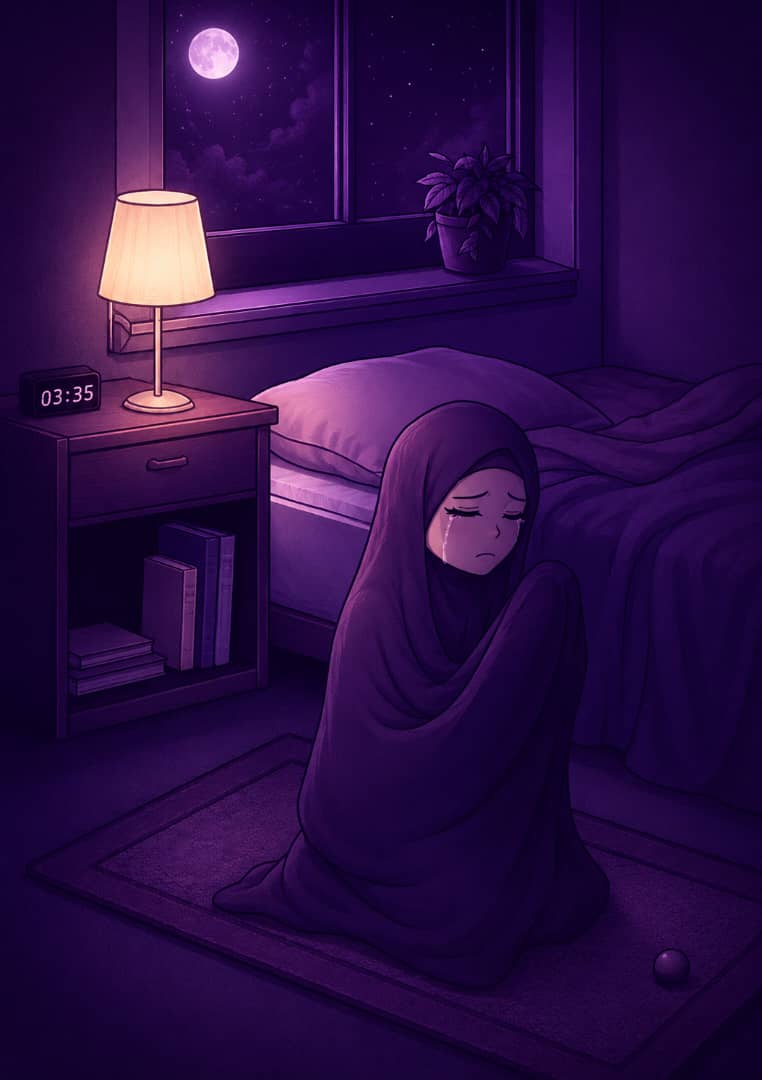
One of the greatest misconceptions in many Muslim communities is the belief that emotional struggles are always a sign of weak īmān.
As a result, many women feel ashamed when they experience anxiety, depression, grief, burnout, or emotional distress.
They begin to question themselves.
“Why do I still feel this way?”
“Why can’t I just move on?”
“Why isn’t worship making this disappear?”
But emotional pain is not proof of spiritual failure.
You can love ALLAAH deeply and still struggle emotionally.
You can have strong faith and still experience anxiety.
You can be committed to your worship and still feel overwhelmed.
Mental and emotional struggles do not automatically mean a person lacks faith.
Sometimes they mean a person has been carrying too much for too long.
When Was The Last Time Someone Asked How You’re Really Doing?
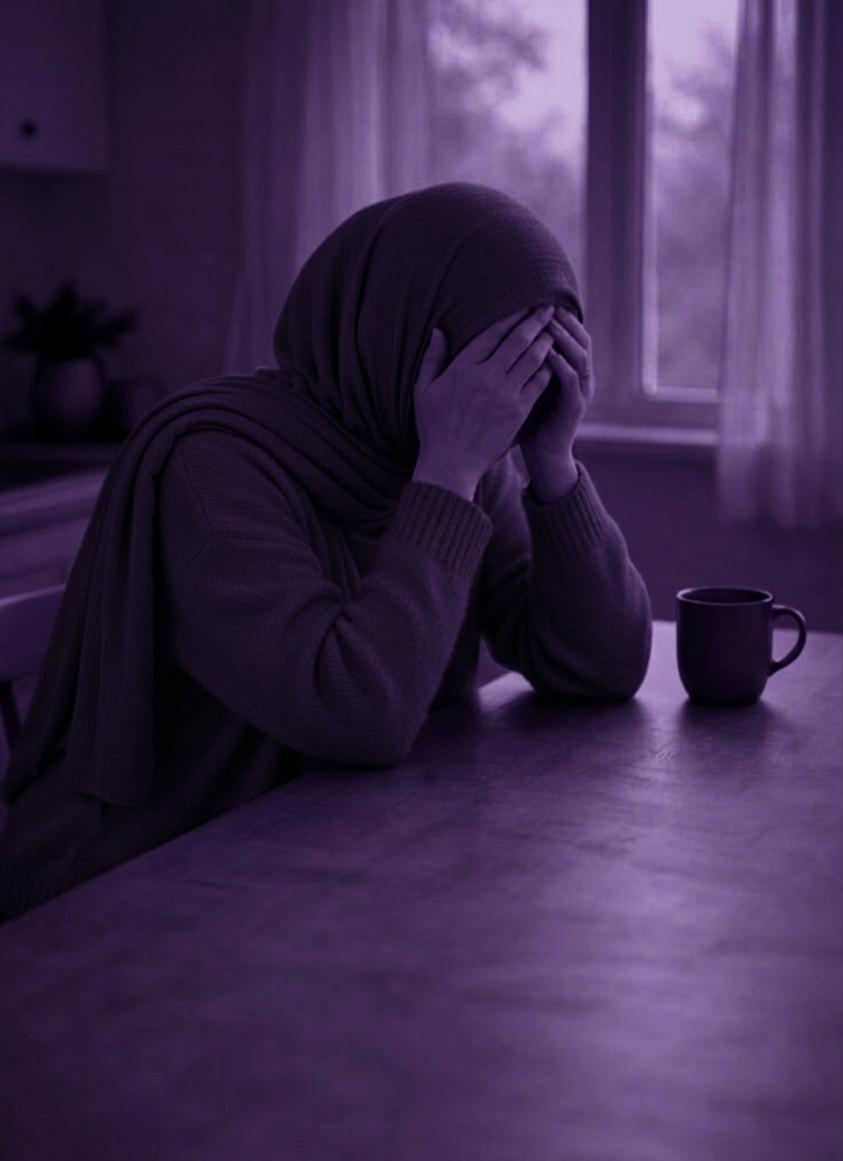
Not how you’re doing as a wife.
Not how you’re doing as a mother.
Not how you’re doing as a daughter, student, employee, or caregiver.
How are you really doing?
Beyond the smile.
Beyond the responsibilities.
Beyond “AlhamduliLlāh, I’m fine.”
Because perhaps you’ve been strong for so long that nobody noticed how tired you’ve become.
And perhaps you’ve been carrying so much alone that you’ve forgotten support is even an option.
You Don’t Have To Carry It Alone
At RouCare Mental Health Haven, we provide a safe, confidential, and faith-sensitive space where Muslim women can explore their emotional struggles without shame.
A space where your feelings are not dismissed.
A space where your faith is respected.
A space where healing is allowed.
If this article felt uncomfortably familiar, perhaps it’s time to stop carrying everything by yourself.
The last time someone asked how you were doing and you replied, “I’m fine, AlhamduliLlāh,” were you truly fine?
If the answer is no, perhaps it is time to stop carrying it alone.
Your healing journey can begin right now.
You deserve more than survival.
You deserve support.
You deserve healing.
And you deserve a space where “I’m fine” doesn’t have to be the only answer anymore.