
10 Signs You Genuinely Love Yourself
— ✦ —
Everyone says they love themselves. They post about it. They speak about it. They buy things for themselves and call it self-love.
But here is the honest question that very few people pause long enough to answer:
How do you treat yourself when life becomes difficult?
How do you speak to yourself after making a mistake? What do you do when you are exhausted, when you feel like you have failed, when the world does not see your worth?
That; right there, is where genuine self-love reveals itself.
Real self-love is not glamorous. It does not always look like spa days or motivational quotes. It is found in the quiet, daily decisions that nobody else sees. It is in the way you speak to yourself in private. In the boundaries you hold even when it is uncomfortable. In the help you allow yourself to receive.
As Muslim women, we are often taught to give generously; to our families, our communities, our marriages, our responsibilities. And that is a beautiful thing. But many of us were never taught that generosity must also flow inward. That tending to yourself is not selfishness. It is stewardship of the amanah (the trust) that Allah placed in your care.
So what does genuine self-love actually look like?
Here are ten signs; not of the performative kind, but of the real, quiet, daily kind.
One of the clearest markers of genuine self-love is the voice you use when things go wrong. Many people speak to themselves in ways they would never speak to someone they love. Harsh words. Relentless criticism. A inner voice that rehearses every failure.
A woman who truly loves herself makes mistakes, because all humans do but she does not weaponize those mistakes against herself. She acknowledges what happened, she learns, and she moves forward with compassion.
Question: Do you comfort yourself the way you would comfort a close friend? Or do you punish yourself far beyond what the situation deserves?
2. You set boundaries, even when people are upset by them.
Boundaries are one of the most loving things you can offer yourself. They communicate: my wellbeing matters. My time matters. My emotional safety matters.
Women who genuinely love themselves understand that a boundary is not cruelty. It is clarity. And while it may disappoint others, the discomfort of saying no is far smaller than the cost of abandoning yourself repeatedly.
Setting a boundary is not un-Islamic. Our Prophet ﷺ said, ‘There should be neither harm nor reciprocation of harm.’ (Ibn Majah) Protecting yourself from emotional, psychological, and relational harm is part of your deen, not contrary to it.
Question: Are there relationships or situations you have been tolerating at the expense of your own wellbeing?
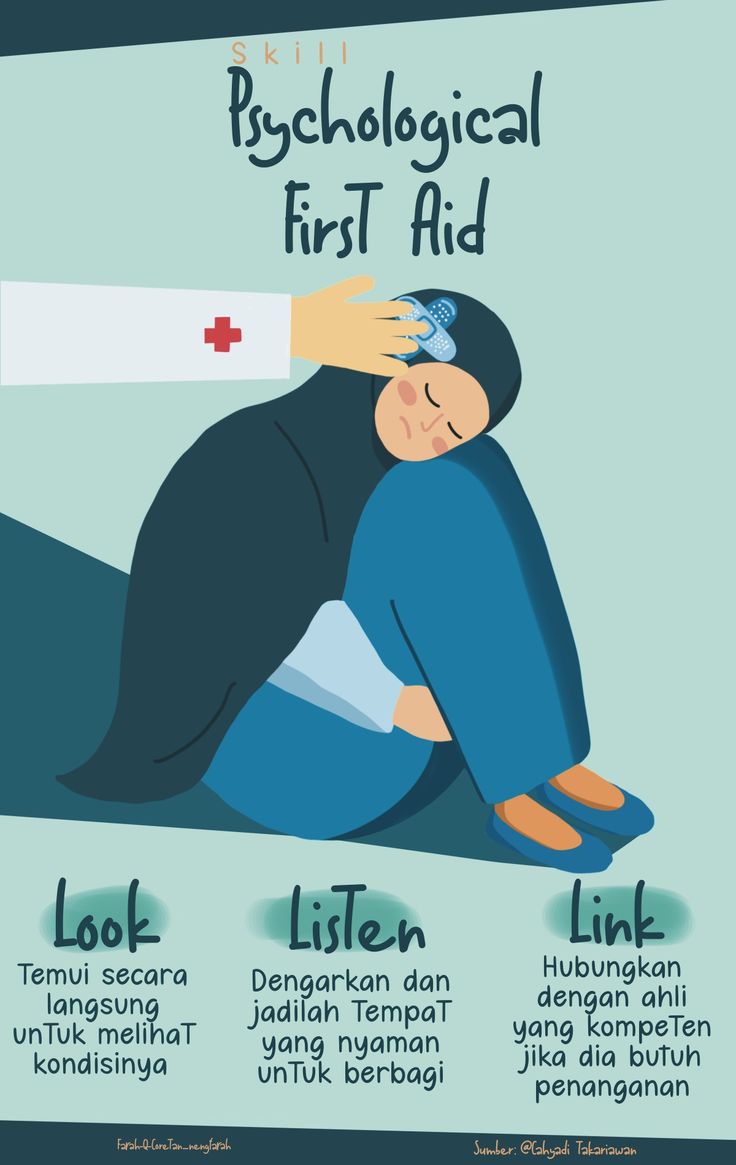
3. You take care of your mental health instead of pretending you are fine.
Pretending to be fine is perhaps the most common way Muslim women abandon themselves. There is a quiet expectation; sometimes spoken, sometimes not, that a woman of faith should simply make du’a, be grateful, and carry on.
But genuine self-love says: I am allowed to not be okay. And I am allowed to seek support.
Whether that means speaking to a trusted friend, journaling, going to therapy, or reaching out to a mental health professional — choosing support over silence is one of the most courageous acts of self-love there is.
Mental health challenges are not signs of weak iman. Many of the greatest believers in Islamic history experienced grief, anxiety, and emotional pain. Acknowledging yours does not diminish your faith. It honours your humanity.
Question: Are you carrying something in silence that you were never meant to carry alone?
4. You walk away from what hurts you, even when staying feels easier.
Sometimes staying is the path of least resistance. Staying in a toxic friendship. Staying in a relationship that consistently diminishes you. Staying in a situation that costs you your peace, your sense of self, your joy.
A woman who genuinely loves herself knows that walking away is not weakness. It is wisdom. It is the recognition that she deserves environments where she can grow, not merely survive.
This is not about impulsive decisions or abandoning responsibility. It is about the slow, courageous decision to stop choosing what hurts you simply because it is familiar.
Question: Is there something you are staying in out of fear, obligation, or the belief that you do not deserve better?
5. You keep the promises you make to yourself.
How you treat the commitments you make to yourself reveals a great deal about your relationship with you. When you consistently break promises to yourself; the sleep schedule you keep meaning to fix, the appointment you keep postponing, the boundary you keep giving in on, you send yourself a quiet message: you are not worth following through for.
Genuine self-love means treating your own needs with the same faithfulness you bring to your commitments to others. You are not an afterthought. You deserve to be taken seriously, by yourself first.
Question: What is one promise to yourself that you have broken repeatedly? What would it mean to finally keep it?
6. You ask for help without shame.
There is a particular kind of pride that disguises itself as strength: the refusal to ask for help. Many women carry enormous burdens in silence because asking feels like an admission of failure, weakness, or inadequacy.
But asking for help is not weakness. It is wisdom. It is the recognition that Allah did not create us to be self-sufficient islands. We are built for community, for connection, for leaning on one another.
A woman who loves herself can say: I need support. I cannot do this alone. Can you help me? and mean it without shame.
Question: Is there something you are struggling with that you have not allowed anyone to help you carry?
7. You stop waiting for someone else to complete you.
One of the most painful patterns in emotional life is seeking from others what we have not yet learned to give ourselves: validation, worth, belonging, peace.
When you genuinely love yourself, your sense of value is no longer entirely dependent on whether someone stays, approves, chooses you, or compliments you. You have built enough of a relationship with yourself that you are not empty when you are alone.
This does not mean you do not need love and connection; of course you do. But it means you are no longer desperate for it. You can be loved and also be whole without it.
Question: Are you in a relationship; romantic, friendship, or family, where you are looking to the other person to give you something you need to give yourself?
8. You refuse to destroy yourself for a temporary emotion.
Emotions are real. They are valid. And they are also temporary. Genuine self-love means understanding that how you feel right now is not how you will always feel and making decisions accordingly.
This shows up in many ways: not sending the message you will regret. Not making permanent decisions in moments of temporary pain. Not numbing yourself with things that harm you simply because the feeling is unbearable right now.
It is choosing, even in difficulty, to stay on your own side.
Question: Are there patterns of behaviour; coping mechanisms, reactions, choices that feel like relief in the moment but are quietly costing you something important?
9. You no longer beg for what should be freely given.
There is a kind of exhaustion that comes from chasing love, attention, consideration, or basic respect in places that have repeatedly withheld it. At some point, genuine self-love says: I am not willing to beg for this anymore.
This is not bitterness. It is not coldness. It is the quiet dignity of a woman who has learned her own worth and decided to stop negotiating for what she already deserves.
The more you respect yourself, the less you tolerate what diminishes you. This is not a coincidence. Self-respect and self-respect thresholds are directly related.
Question: Where in your life are you still working too hard to earn something that should simply be given?
10. You are building a life your future self will thank you for.
Genuine self-love is not just about the present moment. It is about the woman you are becoming.
Every time you choose rest over depletion. Every time you choose honesty over performance. Every time you choose growth over comfort. Every time you seek support instead of suffering in silence — you are making an investment. You are building something for the woman who will wake up five years from now.
She will be grateful. She will look back at the choices you made today, the quiet ones, the difficult ones, the ones nobody saw and she will say: thank you for not giving up on us.
Question: Are the decisions you are making today ones that your future self will thank you for or ones she will have to undo?
Dear Sister
 Self-love is not an achievement you unlock once and keep forever. It is a practice. Some days it is easier than others. Some seasons it feels far away entirely.
But the question is not whether you have arrived at perfect self-love. The question is whether you are, in the small and daily ways, choosing yourself. Choosing your peace. Choosing your wellbeing. Choosing to remain on your own side.
Many of us have spent years searching for someone to love us the way we deserve — while quietly neglecting to love ourselves in that same way. But the truth is this: how you relate to yourself sets the standard for everything else. Your relationships. Your decisions. What you accept. What you walk away from.
You do not have to choose between your faith and your mental health. You can love Allah deeply, practice Islam sincerely, and still tend to yourself with compassion.
That is not a contradiction. That is wholeness.
So today, ask yourself honestly:
Do I truly love myself or do I only love the idea of loving myself?
May Allah make us women who honour ourselves in ways that please Him; women who know that healing, emotional wellness, and inner peace are not luxuries. They are our right.
— ✦ —
You Do Not Have to Carry This Alone

If something in this post landed close to home, if you recognised yourself in these lines, please know that what you are feeling is valid, and support is available.
RouCare Mental Health Haven exists as a safe, faith-sensitive space where Muslim women can speak openly about emotional struggles without shame, stigma, or religious guilt. Whether you are navigating anxiety, burnout, marriage difficulties, grief, or simply the exhaustion of carrying too much for too long, you deserve to be heard.
Your feelings are valid. Healing is possible. And you deserve support too.
— ✦ —